What is an Old Age Home? A Complete 2026 Guide to Benefits, Selection, & Problems
As society shifts toward nuclear families and global careers, the concept of senior living has evolved dramatically. The question is no longer "Should we consider an old age home?" but "How do we choose the right one?"
In 2026, modern old age homes have transformed from lonely shelters into vibrant communities offering medical care, social engagement, and dignity. This guide covers everything: types, benefits, selection checklist, common problems, and FAQs.
What is an Old Age Home? (Definitions & Types)
An Old Age Home (also called a retirement home, assisted living facility, or senior care center) is a residential facility designed for elderly individuals who cannot live independently or prefer the safety, community, and convenience of a managed environment.
Three Main Types of Old Age Homes:
| Type | Best For | Services Included |
|---|---|---|
| Assisted Living | Seniors needing help with daily tasks (bathing, dressing, medication) | Meals, housekeeping, 24/7 staff, social activities |
| Independent Retirement Communities | Active, healthy seniors wanting community living | Private apartments, clubhouses, security, no medical staff |
| Skilled Nursing Facilities | Seniors with chronic illness, dementia, or post-surgery recovery | 24/7 nursing, physiotherapy, medical supervision |
7 Key Benefits of Old Age Homes
1. 24/7 Medical Security
Heart attack? Fall? Stroke? Old age homes have trained staff and emergency protocols. Many have in-house nurses, tie-ups with nearby hospitals, and ambulances on standby.
2. Freedom from Household Chores
No more cooking, cleaning, laundry, or maintenance. Seniors gain hours of free time daily to read, socialize, or rest.
3. Built-in Social Life
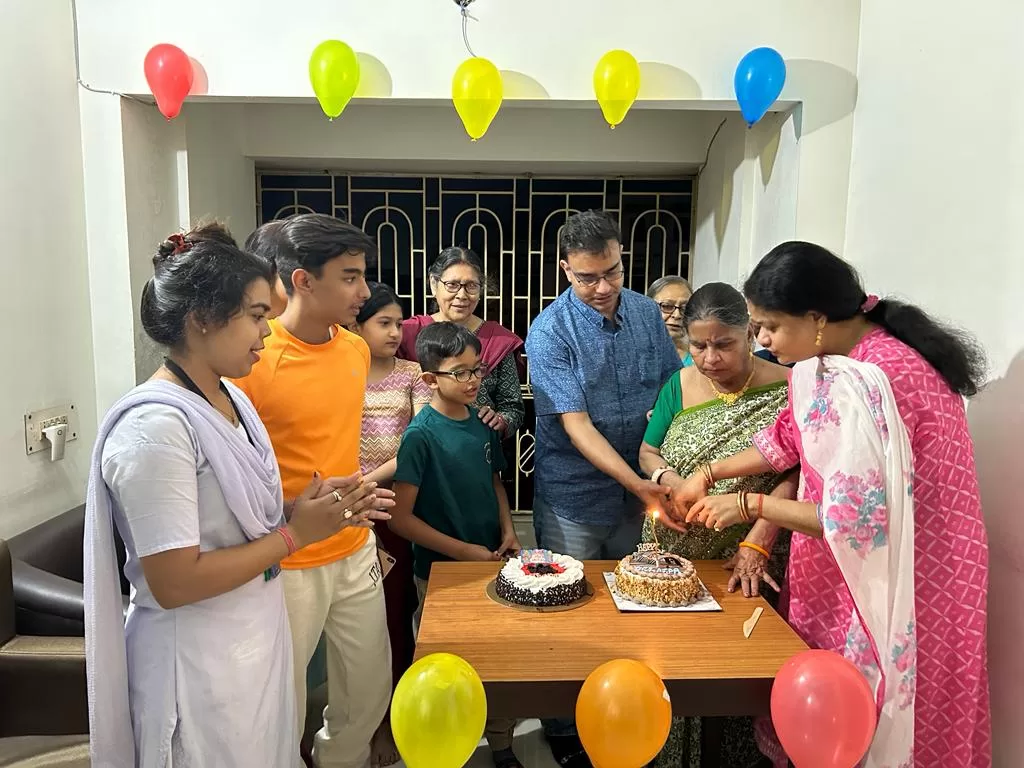
Loneliness is a silent killer among the elderly. Old age homes provide daily social interaction: card games, group walks, movie nights, festivals, and birthday celebrations.
4. Nutritious, Customized Meals
Professional kitchens prepare balanced meals for specific dietary needs: diabetic, low-sodium, soft/liquid diets, or vegetarian/vegan options.
5. Safety & Fall Prevention
Falls are the #1 cause of injury in seniors. Old age homes feature grab bars, non-slip flooring, emergency call buttons, and regular safety audits.
6. Professional Care for Dementia/Alzheimer's
Caring for a dementia patient at home is exhausting. Specialized memory care units have trained staff who understand wandering, agitation, and communication challenges.
7. Peace of Mind for Families
Children can work, travel, or live abroad knowing their parents are safe, fed, and socially engaged. Regular updates and video calls keep families connected.
How to Choose an Old Age Home (10-Point Checklist)
Choosing the right facility requires more than a brochure. Follow this checklist during your site visits:
✅ 1. Location & AccessibilityIs it within 20 minutes of a multi-specialty hospital? Can you visit easily? Avoid remote locations with poor road access.
✅ 2. Cleanliness (The "Smell Test")Visit during lunch or evening hours. Does it smell of urine or strong disinfectants? A clean home smells neutral or pleasant.
✅ 3. Staff-to-Resident RatioAsk for numbers. A ratio of 1:5 is good for assisted living. For dementia care, 1:3 is better.
✅ 4. Staff Training & AttitudeDo staff greet residents warmly? Are they patient? Ask about training in first aid, CPR, and dementia care. Red flag: irritated or dismissive staff.
✅ 5. Medical FacilitiesIs a nurse on duty 24/7? Are oxygen cylinders, defibrillators, and emergency medicines available? Do they have a tie-up with a specific hospital?
✅ 6. Food QualityTaste the food yourself. Is it fresh, mild, and suitable for elderly digestion? Ask if they accommodate personal preferences or religious dietary rules.
✅ 7. Safety FeaturesGrab rails in bathrooms and hallways, Emergency call bells in every room, Fire extinguishers, and Backup generator.
✅ 8. Room QualityIs the room well-ventilated? Is there natural light? Dark, cramped rooms affect mental health.
✅ 9. Activities & EngagementAsk for a weekly schedule. Good homes have yoga, music, art classes, devotional time, and outings. An empty common room is a bad sign.
✅ 10. Trial StayNever sign a long-term contract without a 7–15 day trial stay. Live there first. You will notice things a tour never shows.
Example: Shibasram in Kolkata offers transparent admission with a health assessment and orientation – exactly the kind of process to look for anywhere.Common Problems & Red Flags in Old Age Homes
❌ Neglect & Poor Hygiene: Some budget homes cut corners. Dirty linens or infrequent assistance lead to bedsores and infections.
❌ Under-trained or Overworked Staff: Untrained staff may use physical or chemical restraints on dementia patients instead of proper techniques.
❌ Hidden Costs & Deposits: Watch for non-refundable donations, separate charges for laundry, or forfeited deposits.
❌ Poor Quality Food: Some homes compromise on nutrition to save money. Malnutrition is a real risk.
❌ Lack of Medical Access: If a home has no doctor on call or no ambulance tie-up, a minor issue can become a major emergency.
❌ Social Isolation Within the Home: Some homes have cliques or discourage interaction. A resident may stay in their room all day unnoticed.
Frequently Asked Questions (FAQ)
A: Basic homes: ₹10,000 – ₹20,000 | Assisted living: ₹25,000 – ₹60,000 | Premium/Dementia care: ₹60,000 – ₹1,50,000+ per month.
A: Yes. Most modern old age homes offer dedicated couple rooms or adjoining units.
A: Absolutely. Good homes encourage visits. Many have guest suites where family can stay overnight for a nominal fee.
A: Reputable homes have a clear protocol. They will arrange an ambulance, inform you, and send a staff member to accompany the resident.
A: No. Old age home = residence. Nursing home = medical facility. Some combine both, but they are different concepts.
A: No fixed age. Signs include difficulty managing meds, frequent falls, loneliness, or caregiver burnout.
A: Old age homes offer independence, peer groups, and professional care, whereas family environments may sometimes lack privacy or specialized medical attention.
Final Summary: Is an Old Age Home Right for Your Family?
| Consider an Old Age Home if… | Consider staying home if… |
|---|---|
| Medical needs exceed family capacity | Senior is fully healthy and independent |
| Caregiver burnout is affecting family health | A reliable family member is available 24/7 |
| Senior is lonely and isolated | Senior has a strong social network nearby |
| Home is not senior-safe (stairs, slippery floors) | Home can be modified affordably |
| Senior actually wants peer company | Senior strongly prefers family environment |