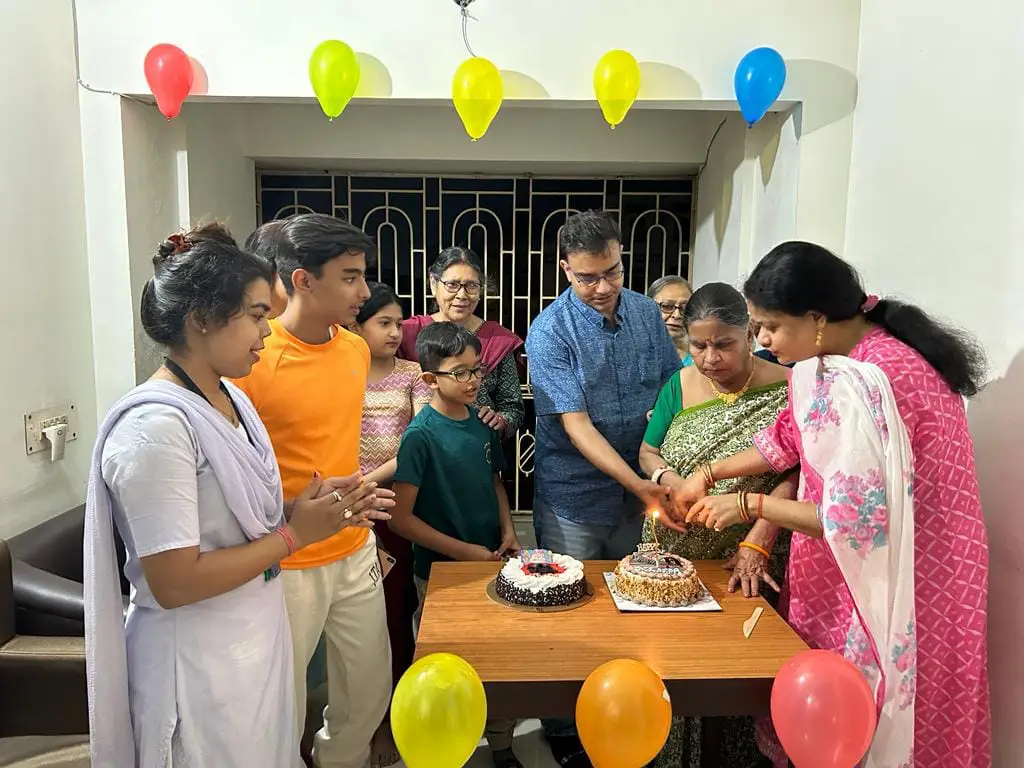
The Benefits of Supported Living for Seniors and Their Families – 2026 Guide
Published: May 2026 | Reading time: 7 minutes
As parents age, families often face a difficult question: how to balance safety, independence, and quality of life. Supported living (also known as assisted living or supportive housing) offers a middle ground – more help than living alone, but less institutional than a nursing home. This guide explores the many benefits of supported living for both seniors and their families, from enhanced safety and social connection to reduced caregiver stress. By the end, you will understand why supported living is an increasingly popular choice in 2026.
This is a general guide about supported living. If your loved one has dementia or Alzheimer’s and requires specialised memory care, please see our dedicated resource at the end.
1. What Is Supported Living?
Supported living refers to residential settings where seniors receive personalised assistance with daily tasks while living in a private or semi‑private apartment. Unlike a nursing home, supported living is designed for seniors who are still relatively independent but need help with:
- Bathing, dressing, and grooming
- Medication reminders
- Meal preparation and dining
- Housekeeping and laundry
- Transportation to appointments
- 24/7 emergency response
Residents typically have their own lockable apartment, participate in social activities, and come and go freely (within safety guidelines). The goal is to maximise independence while minimising risk.
2. Benefits for Seniors
🛡️ Enhanced Safety and Security
Call bells in every room and bathroom – help is seconds away. 24/7 staff – someone is always awake to respond to falls, medical emergencies, or confusion. Secure entrances – prevents wandering for those with mild cognitive issues (but specialised memory care is needed for advanced dementia). Emergency backup – generator, oxygen, ambulance tie‑up. Result: Seniors and families stop worrying about “what if they fall and cannot call for help?”
👥 Social Connection and Reduced Loneliness
Loneliness is as harmful as smoking 15 cigarettes a day. Supported living communities offer group meals (no more eating alone), daily activities – games, music, yoga, arts and crafts, festival celebrations, outings, and cultural events, built‑in friendships – neighbours at similar life stages. Result: Improved mood, slower cognitive decline, and a renewed sense of purpose.
🍽️ Nutritious Meals Without the Hassle
Dietitian‑planned menus (diabetic, low‑salt, soft food, Jain, vegetarian options). No grocery shopping, cooking, or cleaning up. Social dining encourages better appetite. Result: Weight stabilises, malnutrition risk drops, and seniors enjoy mealtime again.
🧹 Maintenance‑Free Living
No more cleaning, laundry, repairs, or gardening. Staff handle housekeeping and linens. Maintenance staff on call. Result: Seniors spend time on hobbies, not chores.
💊 Medication Management
Nurses or trained staff give reminders or administer medicines. No missed doses or dangerous double doses. Health logs shared with families. Result: Fewer hospitalisations due to medication errors.
3. Benefits for Families
🧘 Reduced Caregiver Stress
Adult children often sacrifice their own health, marriages, and careers to care for aging parents. Supported living transfers daily responsibilities to trained professionals. Before: Constant worry, sleepless nights, missed work, strained relationships. After: Peace of mind, regular visits as a loving child (not exhausted nurse), and time to focus on your own family.
👨👩👧👦 Improved Family Relationships
When caregiving is outsourced to professionals, the quality of family interactions changes. Visits become positive – outings, shared meals, memories – instead of arguments about medicines or bathing.
📋 Professional Oversight and Early Detection
Supported living staff are trained to notice early signs of health decline – weight loss, confusion, mobility changes. They alert families and doctors before a crisis occurs.
🌍 Peace of Mind for Long‑Distance Families
If children live abroad or in another city, they no longer have to drop everything for every emergency. A supported living community provides local, 24/7 backup.
💰 Predictable Costs
Monthly fees cover rent, meals, utilities, housekeeping, and basic assistance. Families can budget without surprise expenses (e.g., hiring a new caregiver, home modifications).
4. Who Is Supported Living For?
Supported living is ideal for seniors who:
- Need help with 2‑3 daily tasks (bathing, dressing, medication reminders)
- Are generally healthy (no advanced dementia, no bedridden conditions)
- Feel lonely or isolated living alone
- Have family caregivers who are exhausted
- Can afford monthly fees of ₹25,000 – ₹55,000 (Kolkata 2026)
Supported living is NOT for:
- Seniors with moderate‑to‑severe dementia (wandering, aggression) – they need memory care.
- Bedridden or 24/7 skilled nursing needs – they need a nursing home.
5. Supported Living vs. Other Options at a Glance
| Feature | Independent Living | Supported Living (Assisted Living) | Nursing Home | Memory Care |
|---|---|---|---|---|
| Help with daily tasks | No | Yes | Yes | Yes |
| 24/7 nursing | No | No (day nurse, night helper) | Yes | Yes (plus behavioural) |
| Social activities | Yes | Moderate | Limited | Structured therapy |
| Cost (monthly, Kolkata) | 25k – 50k | 30k – 55k | 50k – 80k | 55k – 85k+ |
| Best for | Active seniors | Mild–moderate help needed | Frail, bedridden | Dementia |
6. How to Choose a Supported Living Community – Checklist for Families
When touring facilities, ask:
- What is the staff‑to‑resident ratio? Day: 1:8; night: 1:12 minimum.
- Is there a nurse on site 24/7? If not, what is the emergency response plan?
- Can we test a call bell? Response time should be under 2 minutes.
- May we see a sample weekly menu? Are special diets accommodated?
- What activities are offered? Look for a posted schedule.
- What is the refundable deposit policy? Get it in writing.
- What happens if the resident’s health declines? Do they have a continuum of care (transfer to skilled nursing or memory care on campus)?
Pro tip: Visit unannounced at 7 PM and on a Sunday afternoon. That is when the real atmosphere – not the showroom – appears.
7. When Supported Living Is Not Enough – Recognising the Need for Dementia Care
If your loved one has been diagnosed with Alzheimer’s, vascular dementia, or shows signs of wandering, aggression, or unsafe behaviour, supported living (even assisted living) is not safe. They need a secured memory care unit with:
- Locked doors and wandering alarms
- Staff trained in behavioural de‑escalation
- Higher staff‑to‑resident ratios (1:3 at night)
- Memory‑enhancing activities (music, reminiscence, sensory therapy)
Do not place a person with advanced dementia in a general supported living community – it will lead to elopement, injury, or repeated moves.
If your loved one has dementia or Alzheimer’s and requires specialised, round‑the‑clock memory care in Kolkata, please visit our dedicated facility:
👉 Old age home in Kolkata for dementia care
Frequently Asked Questions (FAQ) – Supported Living
No. Nursing homes provide 24/7 skilled medical care (IV, wound care, tube feeding). Supported living helps with daily activities (bathing, dressing, meds) but not complex medical procedures.
Yes – many communities offer double rooms or adjacent apartments at a discounted combined rate.
₹30,000 – ₹55,000 per month, plus a refundable deposit (₹3‑10 lakhs). Some homes charge extra for AC, special diet, or physiotherapy.
Most facilities allow personal items to make the apartment feel like home. Large furniture may need approval.
If they need help with 2‑3 daily tasks (bathing, dressing, meds), have had falls, or feel lonely, it is time to consider. A trial stay (1‑2 weeks) can confirm.
Independent living offers no personal care – just housing, meals, and activities. Supported living adds assistance with daily tasks (bathing, dressing, medication reminders).
Rarely. Some senior‑specific health plans cover a portion if a doctor prescribes it. Always check your policy.
Final Advice – A Solution That Supports Everyone
Supported living is not “giving up” – it is choosing professional care that benefits both seniors and their families. Seniors gain safety, social life, and freedom from chores. Families gain peace of mind and restored relationships. If you recognise the signs of need, explore supported living communities without guilt. And if dementia is part of the picture, skip straight to specialised memory care.
For families in Kolkata who need specialised dementia care or 24/7 memory support, please visit our dedicated memory care home:
👉 Old age home in Kolkata for dementia care
🏡 Is Supported Living Right for Your Loved One?
We help Kolkata families compare options, tour communities, and provide specialised memory care when needed. Contact us for a no‑obligation consultation.
Contact Shibasram Trust →